
Thyroid issues in Midlife
Hashimoto's, T3 , Subclinical Hypothyroidism and the Gluten -Thyroid Connection

The Thyroid and Women
Thyroid issues are one of the commonest things I deal with in my practice. The intricacies of thyroid management is notoriously undertaught in conventional medicine.
New thinking focuses on optimizing thyroid levels and managing symptoms, which is more important in helping manage thyroid dosages and symptoms than actual strict labs values.
Optimal TSH levels are now considered to be 0.5-2.5 as opposed to below 5 or only starting treatment if TSH is above 10.
It is important to also look at T3 levels as well as T4 levels and thyroid antibodies, as these can be suboptimal ,even if TSH levels are considered within range.
What is the Thyroid Gland?
The thyroid gland is a butterfly- shaped gland found just below Adam’s apple.
The thyroid is the master regulator gland and produces thyroid hormones which are important to keep us warm, maintain energy levels, metabolism and help keep most of our organs working properly.
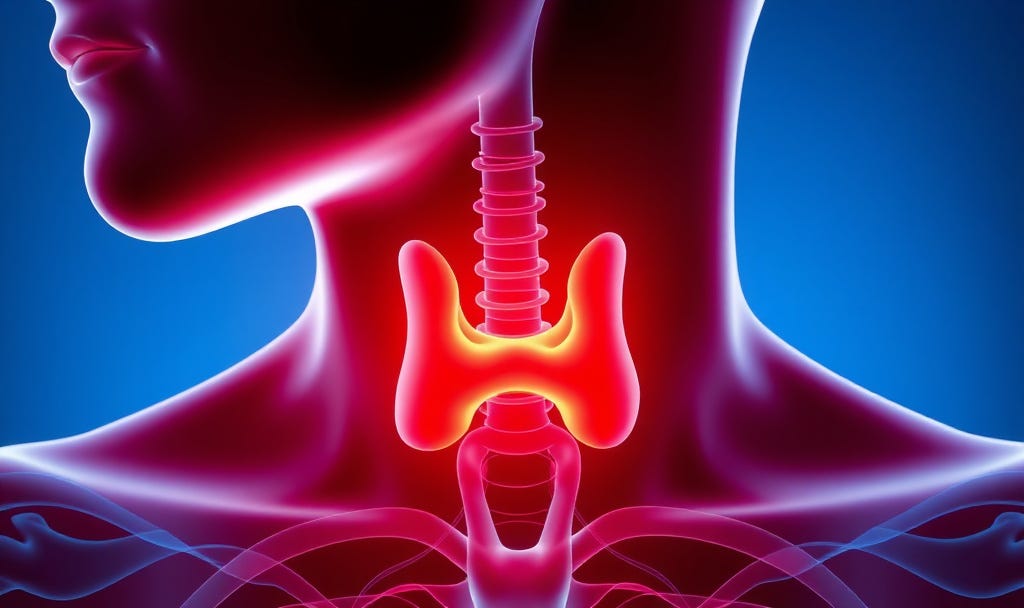
Hypothyroidism - when the thyroid gland doesn’t produce enough thyroid hormone
Common symptoms include:
fatigue
weight gain or inability to lose weight
thinning hair and eyebrows
cold extremities, temp instability
constipation
dry skin, brittle nails, thinning hair
irregular or heavy periods
brain fog and feeling in funk-like depression.
Autoimmune Hypothyroidism
Autoimmune hypothyroidism also called Hashimotos -not iodine deficiency- is now the leading cause of hypothyroidism in the USA and is extremely common in women.
Hashimoto’s is diagnosed when thyroid antibodies (TPO) become elevated. These antibodies attack the thyroid tissue, eventually destroying the thyroid. Gluten found in wheat, barley and rye is the commonest trigger for Hashimoto’s.
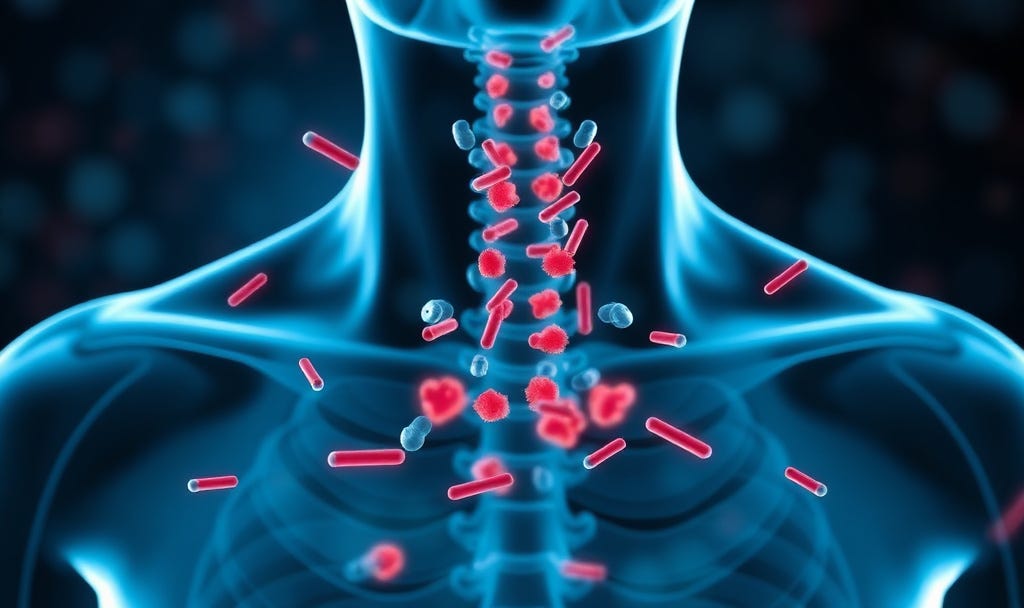
As the modern gluten molecule leaks through a permeable gut, it enters the blood stream where the immune system senses the gliadin portion of gluten as a foreign body and develops antibodies against it.
These antibodies are remarkably similar in structure to thyroid antibodies ( molecular mimicry) and so attack the sensitive thyroid tissue.
In my practice, most of my patients with hypothyroidism have positive antibodies. I routinely recommend avoiding gluten and adding selenium -methionine to help calm down thyroid antibodies and have seen great reductions in antibody levels.

Subclinical Hypothyrodisim
50% of the US has suboptimal thyroid function because of all the endocrine disruptors in our food and water supply today. Low iron stores, inflammation, stress, high cortisol levels, certain drugs, gut dysbiosis, all prevent the adequate conversion of T4 to T3 which is the active hormone.
The hormonal changes in menopause can also contribute to subclinical or a “draggy” thyroid.
In subclinical hypothyroidism thyroid levels can look normal even though one has all the symptoms of low thyroid. That is why it is important to have TSH, as well as T3, T4 and TPO checked.
Early morning body temperatures consistently under 97.6 F are also indicative of subclinical hypothyroidism, despite normal thyroid labs.
I often start treatment for subclinical hypothyroidism with a Thyroid Support supplement first to see if we can improve endogenous thyroid production first before replacing it with T4 or T3.
Good supplements that help support thyroid hormone production include Zinc, Iodine, Selenium- Methionine , Zinc and L-Tyrosine.
One has to be cautious with adding iodine to an inflamed thyroid e.g. in Hashimoto’s.
About 25 % of patients with hypothyroidism do better with a T3/T4 combo like Armor thyroid or NP thyroid. T3 alone is also available as Cytomel ( Liothyronine) and can be added to T4 ( e.g. Levothyroxine, Synthroid, Tirosint, Unithroid)
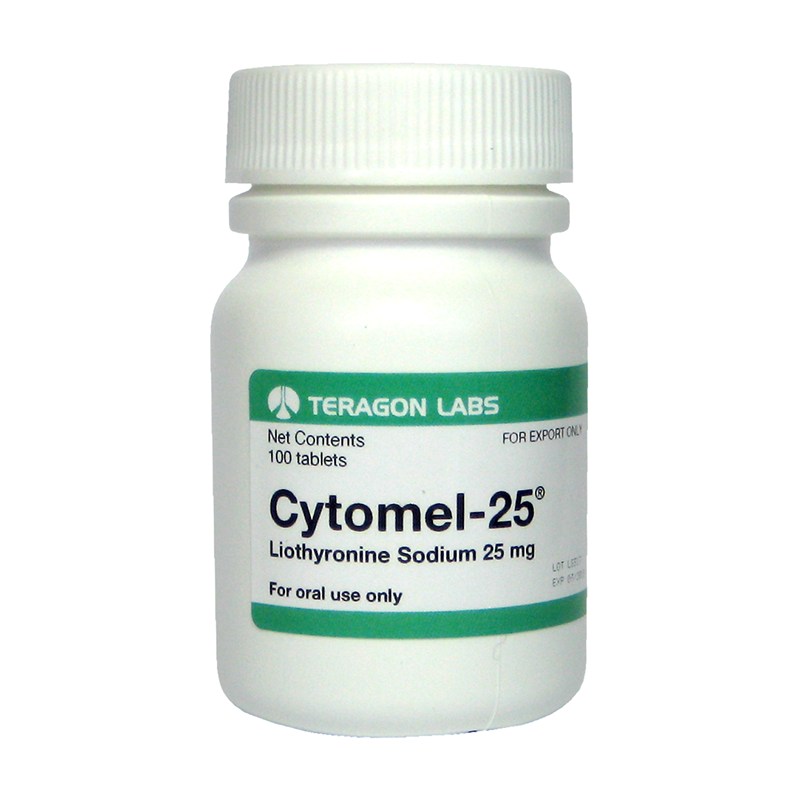
I prefer trade name Thyroid medications as opposed to generic Levothyroxine as the dosing and results are generally superior.
I recommend you see a functional medicine physician who has the proper training in hormone therapy, if you feel you have any thyroid issues that are not being adequately addressed, as they will be able to interpret your labs and treat you appropriately.
I also discuss this topic in greater detail in my book My Menopause Makeover. ( which is now available in a Kindle version)

To your healthiest chapter yet,
Dr. Caroline J. Day